


What is PGT and Why Do People Use It?
The Basics of Preimplantation Genetic Testing
If you’re going through IVF, or even just curious about the world of fertility treatments, you might have heard about something called PGT. But what exactly is it, and why are people talking about it?
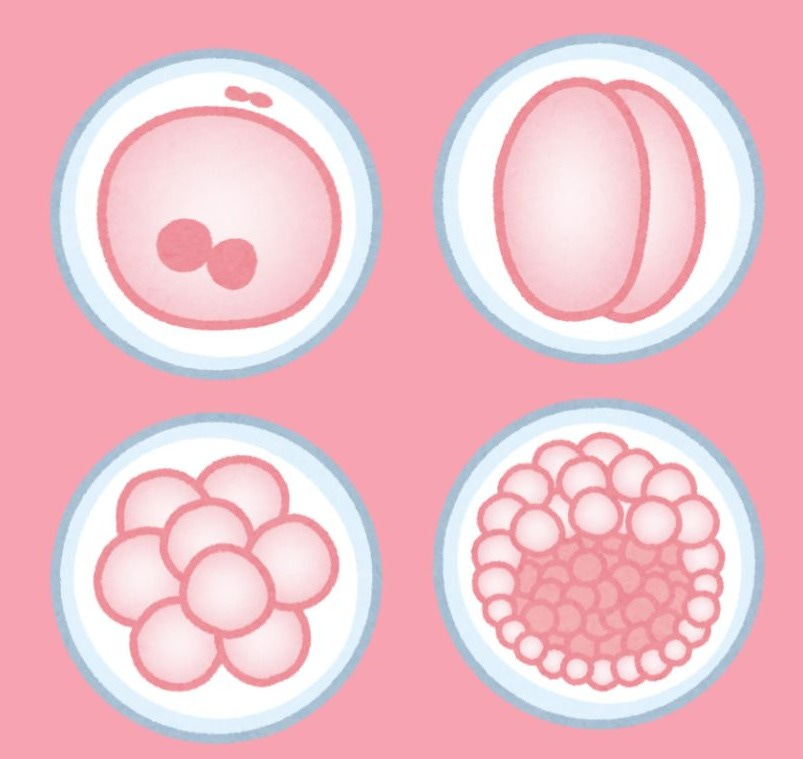
PGT stands for Preimplantation Genetic Testing. Basically, it’s a way to test embryos created during IVF for chromosomal abnormalities before transferring them into the uterus. Despite what some online comments might suggest, the goal isn’t to pick traits like hair color or height, it’s to try to avoid transferring embryos that are more likely to result in a negative pregnancy test or miscarriage. Given how emotional and physically draining IVF already is, it’s extremely understandable why many people choose to give themselves the best chance at a healthy pregnancy from the start.
Common Misconceptions & Controversies
Here’s where it gets a little controversial. Some argue that testing embryos is unethical (that they think most IVF patients are choosing genders, eye colors, etc.) Others worry it reduces the number of embryos available for transfer. And yes, it can be a stressful process, waiting for results that might completely change your plan. But for many people, including myself, I believe it’s helpful for managing uncertainty in an unpredictable journey.
How PGT-A Fits Into the IVF Process
Screening for Chromosomal Abnormalities
PGT allows clinics to screen embryos for chromosomal abnormalities, helping reduce the risk of miscarriage or unsuccessful transfers. While it’s not a guarantee of a successful pregnancy (I had two failed transfers with “normal” embryos) it’s a tool that can help patients make informed decisions about which embryos to transfer.
Even with testing, IVF remains an emotional rollercoaster. Knowing your embryos have been screened can provide some reassurance, but it also comes with new anxieties. Wondering how many healthy embryos you’ll have and whether your journey will lead to a successful pregnancy.
My Personal Experience with PGT Results
Managing Expectations After Previous Transfers
When it came time for my PGT results, I approached them with cautious optimism. I tried not to get my hopes up, but you never really know how you’ll feel until the results are in.
The truth? The results were pretty much what I expected, but I still felt disappointed. Having some healthy embryos is obviously good news, but at this point “good news” doesn’t erase the anxiety. On average, it takes 2-3 embryos to get one live birth with IVF, so knowing I have a decent number of healthy embryos is reassuring—but the road ahead is still uncertain.
The Embryo “Secret” in my Inbox
Another part of this process… even though I marked that I did not want the lab to disclose the genders of my embryos, the information is still attached to the genetic results. I didn’t open the attachment, but just knowing it’s there is hard. When I received the email, I only checked the portion where it lists which embryos were normal vs, abnormal. I’ve moved the email to a folder in my inbox, and that’s where this little secret will sit…hopefully forever. It’s a little like those gender-reveal envelopes people keep hidden until the big moment, except mine isn’t really even real, it’s still just possibilities.
Online Misinformation & Misunderstanding
As for the broader conversation about PGT, I didn’t think much of it at first because it’s standard at my clinic. But now, seeing some of the online chatter, people assuming we’re trying to have “designer” babies, reminds me how much misinformation can be harmful for those undergoing fertility treatments. For me, (and most people) it’s simple! We just want a healthy baby.
Final Thoughts
For anyone going through this, take it one step at a time and give yourself grace. The journey is rarely straightforward, but each decision you make is a step toward your goal.
Lean on the people who get it, allow yourself to feel everything, and don’t underestimate the power of humor and resilience to help you through the ups and downs. At the end of the day, we’re all just trying to do our best to bring a healthy baby into the world.